What Actually Happens Behind the Scenes: When We Plan Travel for Groups?
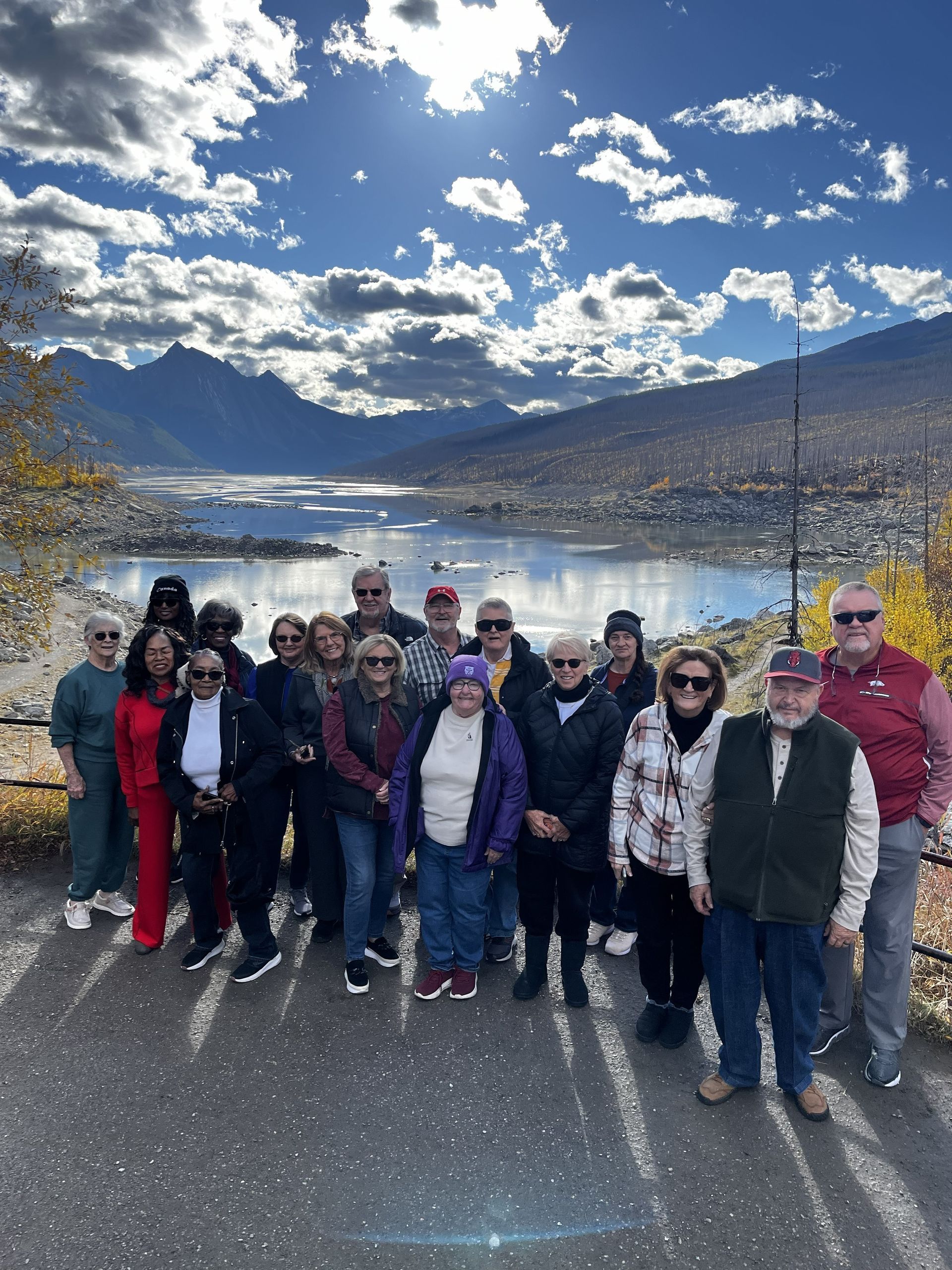
Quick answer: Group travel isn't limited to tour buses or formal travel clubs. The group travel team at Sue Smith Vacations plans trips for friend groups, faith communities, clubs and organizations, cruise groups, heritage groups, special-interest groups like pickleball and mahjong players, and milestone celebrations. What matters most isn't the size of the group. It's why the people want to travel together, because that reason shapes everything from the pace of the trip to where you stay.
Many of the strongest travel groups already exist. They're your group chat friends, your Sunday school class, your pickleball crew, your mahjong table, and your book club. They just haven't thought of travel as something they could do together.
Here are seven kinds of group trips our team plans (and we plan plenty more), what each one needs to work, and how to tell which kind of trip fits your people.
1. Can a travel advisor plan a trip for a group of friends?
Absolutely, and friend groups are some of the most common groups we plan for. Girls trips, college roommates, and couples who vacation together all count.
Friend groups usually have plenty of enthusiasm and no decision-making structure. Destination links pile up in the group chat, dates drift from spring to fall to "maybe next year," and whoever suggested the trip quietly becomes the organizer, the treasurer, and the travel agent all at once.
What a friend trip needs to work
- A small leadership pair, not a vote of twelve people on every detail
- A clear reason for the trip, like a milestone birthday, a reunion, or a long-overdue break
- An honest budget range, asked privately so nobody feels put on the spot
- A decision date, so "someday" turns into a real trip
The most common mistake: picking the destination first. Once everyone's excited about one place, it's hard for the friend with a tighter budget or less time off to say it doesn't work for them.
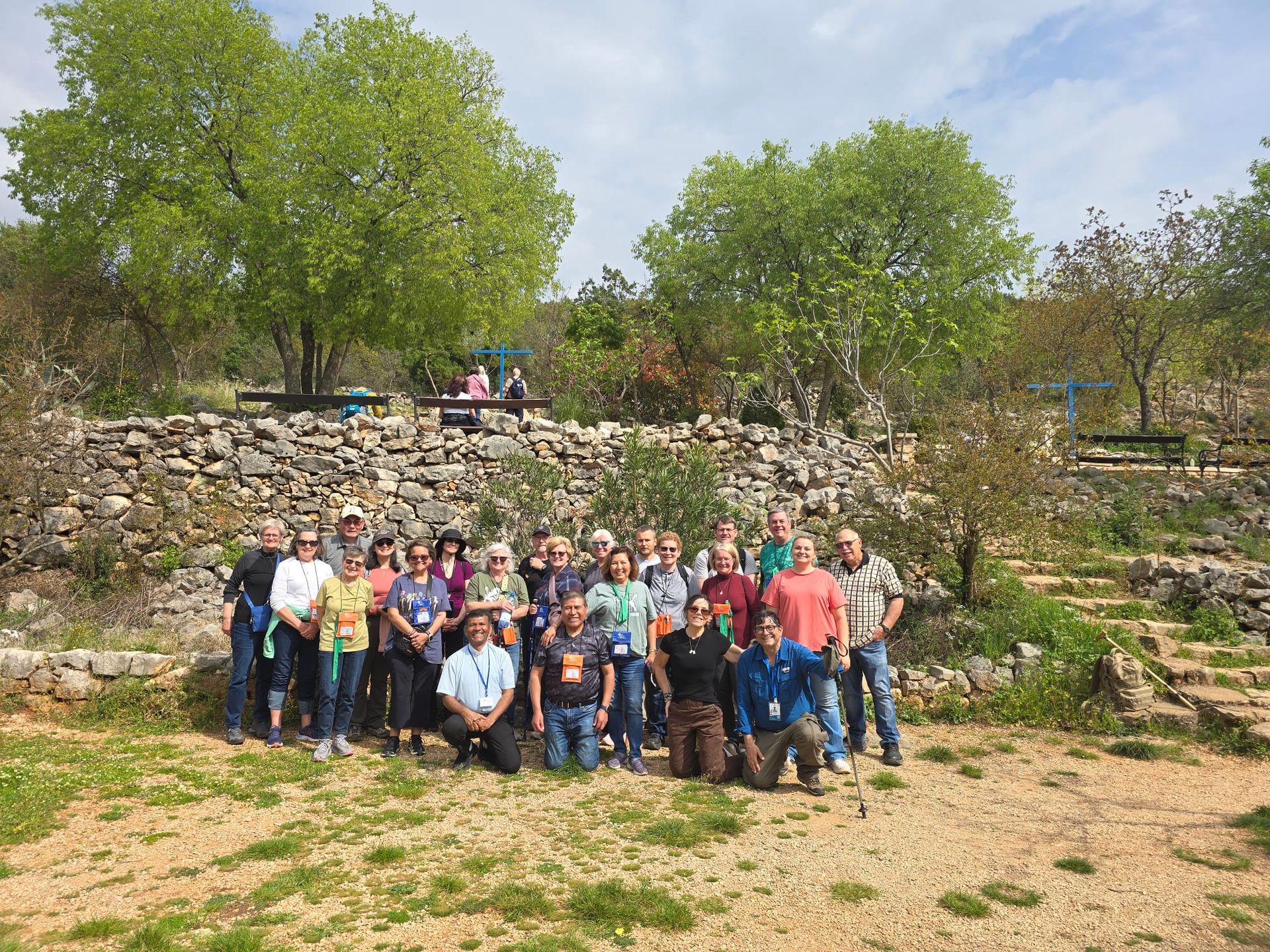
2. Can a travel advisor plan a church pilgrimage?
Yes. A pilgrimage is one of the most meaningful kinds of group travel, and it's also one of the most different. On a sightseeing trip, the schedule is the point. On a pilgrimage, the schedule has to make room for something else: worship, reflection, and quiet that can't be rushed.
That changes how the trip is built. It affects how many sites to visit in a day, where Mass or services fit, how much walking the group can do and still be present when they arrive, and how the spiritual leader and the travel planner work together.
What a pilgrimage needs to work
- A spiritual leader involved from the very beginning, not added at the end
- Fewer sites with more time at each one
- Rest built into the schedule, especially for older pilgrims
- Honest accessibility planning, so no one is kept from a place they've waited years to see
On our last pilgrimage to Poland, the one thing I made sure to build in was time. Worshipping together at the holy sites was such a moving experience. People need time to simply be with the group and our priest, and also a few minutes on their own if they need it. To protect that time, I gave up a visit to a well-known historical landmark. It mattered to Poland's history, but time together mattered more to our group. Kathy Primm, Manager, Sue Smith Vacations
3. Can a club or organization travel together?
Yes. Alumni chapters, sororities and fraternities, civic clubs, Rotary and Lions groups, garden clubs, and professional associations already have members who know and trust each other. A trip gives them something to share outside of meetings.
The challenge with organizations is usually structure. Officers change, decisions go through committees, and the person organizing the trip is often a volunteer who already has a full-time job.
What a club or organization trip needs to work
- One named decision-maker or a small committee with authority to say yes
- Simple, consistent communication members can count on
- A booking and payment process that doesn't run through a volunteer officer
- A clear plan for members who want to bring a spouse or guest
4. Is a cruise a good option for a group?
Often, yes. A cruise gives a group something surprisingly valuable: permission to separate. Everyone unpacks once. Meals, entertainment, and getting from place to place are built in. The early risers can be on deck at sunrise, the night owls can catch the late show, and everyone can meet up for dinner.
A cruise still isn't automatically easy. Cabin choices, dining times, arrival plans, and current group terms all need coordination. The best group cruises feel effortless because the structure underneath them is strong.
One tip our team gives every cruise group: fly in the day before. Flights get delayed, and the ship won't wait.
5. Can a hobby or special-interest group travel together?
Yes, and these are some of the most fun trips to plan. Pickleball players, mahjong groups, book clubs, choirs, quilting guilds, wine lovers, and photography clubs already share a passion. Good group travel doesn't paste that interest onto a standard vacation. It builds the trip around it.
For a pickleball group, that means courts, play time, and maybe a clinic built into the schedule, with time to rest and enjoy the destination too. For a mahjong group, it might mean a cruise with a dedicated space to play together at sea and new ports to explore between games. Sue Smith Vacations plans both pickleball trips and a mahjong cruise for exactly these kinds of groups, with new group opportunities coming soon.
What a special-interest trip needs to work
- The activity built into the plan, not squeezed in around it
- The right balance of activity time and downtime
- A leader inside the group who keeps the energy up
- Room for a partner or friend who doesn't share the hobby to enjoy the trip too
Not long ago, a wonderful group of travelers called about taking their pickleball group to an adults-only Caribbean resort. Because I know the Caribbean and which resorts offer pickleball, we found the perfect fit: Sandals South Coast in Jamaica. The group had so much fun, they're already talking about doing it again. Amber Robinson, Travel Advisor, Sue Smith Vacations
6. What is a heritage trip?
Heritage travel follows a shared story. It might start with ancestry, culture, music, faith history, or the history of a community. A generic highlights tour can miss why people care. Depth, local context, and time in a meaningful place usually matter more than adding another city to the itinerary.
7. How do you plan a group trip for a milestone celebration?
Retirements, landmark birthdays, anniversaries, and reunions bring together people with different relationships to the guest of honor and different expectations about the trip. Some guests want every activity together. Others want to celebrate at dinner and explore on their own during the day.
Being clear about what's hosted, what's optional, and how information will be shared makes the celebration feel generous instead of confusing.
What a milestone trip needs to work
- A clear host and a clear point of contact for guests
- One or two anchor events everyone attends
- Plain information about what's included and what's optional
- Enough lead time for guests to plan their own travel and time off
Choosing the Right Type of Group Travel

| Kind of Group | What Matters Most | Common Mistake | Travel Formats That Often Fit |
|---|---|---|---|
| Friends | A clear decision-making process and confirmed travel dates | Choosing a destination before agreeing on a budget | All-inclusive resort, cruise, city getaway |
| Faith Community | Time for worship, reflection, and meaningful experiences | Scheduling too many sites without allowing time for reflection | Pilgrimage, guided land tour |
| Club or Organization | A designated group leader and clear communication | Having volunteers manage individual payments | Group cruise, guided tour |
| Cruise Group | Opportunities to spend time together while allowing personal freedom | Overlooking arrival logistics and pre-cruise accommodations | Ocean cruise, river cruise |
| Special Interest | Making the group's shared interest central to the experience | Treating the group's hobby or activity as an afterthought | Pickleball getaway, mahjong cruise, themed tour |
| Heritage Travel | Meaningful cultural connections and local experiences | Visiting too many cities without exploring their significance | Customized itinerary, guided land tour |
| Milestone Celebration | Clear expectations about hosted events, activities, and individual expenses | Leaving guests uncertain about what is included | All-inclusive resort, cruise, celebration weekend |
What should group leaders avoid?
The same few mistakes show up again and again, whatever kind of group it is:
- Collecting money before the trip, terms, and payment process are confirmed
- Promising a price from a screenshot or a website sale
- Counting every "I'm in!" as a commitment
- Asking the whole group to design the itinerary together
- Using the group chat as the official source for deadlines and documents
Questions group leaders ask
1. Do we need to know where we're going before we call?
No. Bring the people, the reason you want to travel, a rough size range, and a target window. Our team can help you figure out where.
2. How small can a group be?
There's no single minimum that applies everywhere. Cruise lines, hotels, and tour operators each set their own group rules, and they change. A small group traveling internationally or flying in from several cities can still benefit from professional planning.
3. Do you only plan trips for churches and clubs?
No. Friend groups are some of the most common groups we plan for, along with hobby groups, milestone celebrations, and cruise groups.
4. Can our pickleball or mahjong group plan a trip around our hobby?
Yes. Sue Smith Vacations plans pickleball trips and a mahjong cruise, with new group opportunities coming soon. We can also build a trip around your group's shared interest.
5. Should we collect deposits before talking to an advisor?
No. Confirm the trip, the current terms, and the payment process first. Collecting money early is one of the most common group planning mistakes.
6. How far ahead should we start planning?
Many groups start 12 to 18 months ahead. Pilgrimages, international trips, popular cruise dates, and larger groups may need more time.
Your next step
Tell us who your people are. Start with our Group Leader Starter Guide. It walks you through the first conversations to have with your group and includes a message you can copy and send. Then call Kathy Primm, Manager at Sue Smith Vacations, at 501-771-0987. She'll talk through your idea and match your group with the right advisor on our team.
Get the Group Leader Starter Guide